
Throughout Scripture, festivals and feast days form a backdrop for the biblical narrative. Even today, holidays reflect the unique intersection of the sacred and the secular. When we understand the origin of these observances, it becomes possible to have meaningful conversations that can open the door to discussions about faith.
St. Patrick’s Day: A Brief History
Today is the day that commemorates the death a man named Patrick who born in the late 4th century. In many ways, Patrick is a larger than life figure. What really fascinates me about his story is that he was an ordinary person, living a fairly ordinary life. But, somewhere along the line, a seed was planted in him; and because there was good soil, it grew and multiplied. Initially, there was no way to know that this would happen. Patrick was born in Britain to wealthy parents. Historians say that there is no evidence that Patrick came from a particularly religious family.
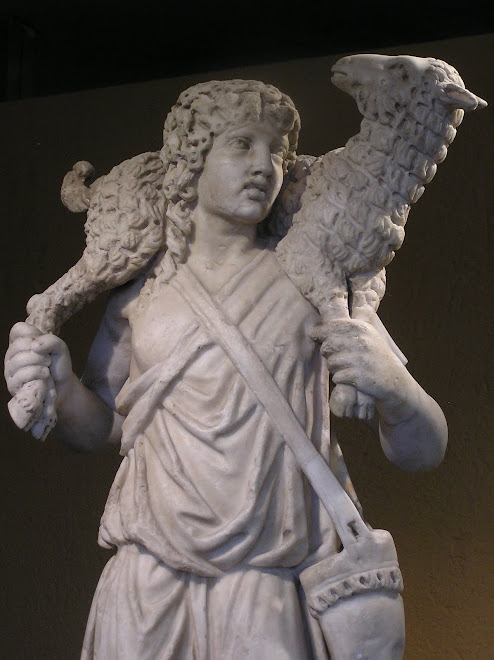
In the meantime, Julius Caesar had withdrawn from Britain. Without the protection of being a part of the Roman Empire, Britain was vulnerable to attack. As a result, the Celts overtook the country, raided Patrick’s family estate, and took him captive. For the next six years, Patrick was a slave in Ireland, and worked as a shepherd. While tending sheep and living in danger and isolation, Patrick had a conversion experience in which he became a devout follower of Jesus Christ.
Eventually, Patrick escaped and went back to Britain. According to his writings, he heard the voice of the Lord which instructed him to return to Ireland as a missionary. Before returning to Ireland, Patrick spent fifteen years training and preparing for his life's work. After his ordination as a priest, he was sent to Ireland with a dual mission-to minister to Christians already living in Ireland and to begin to convert the Celts to Christianity.

Subscribe to:
Post Comments (Atom)

 Posts


No comments:
Post a Comment